

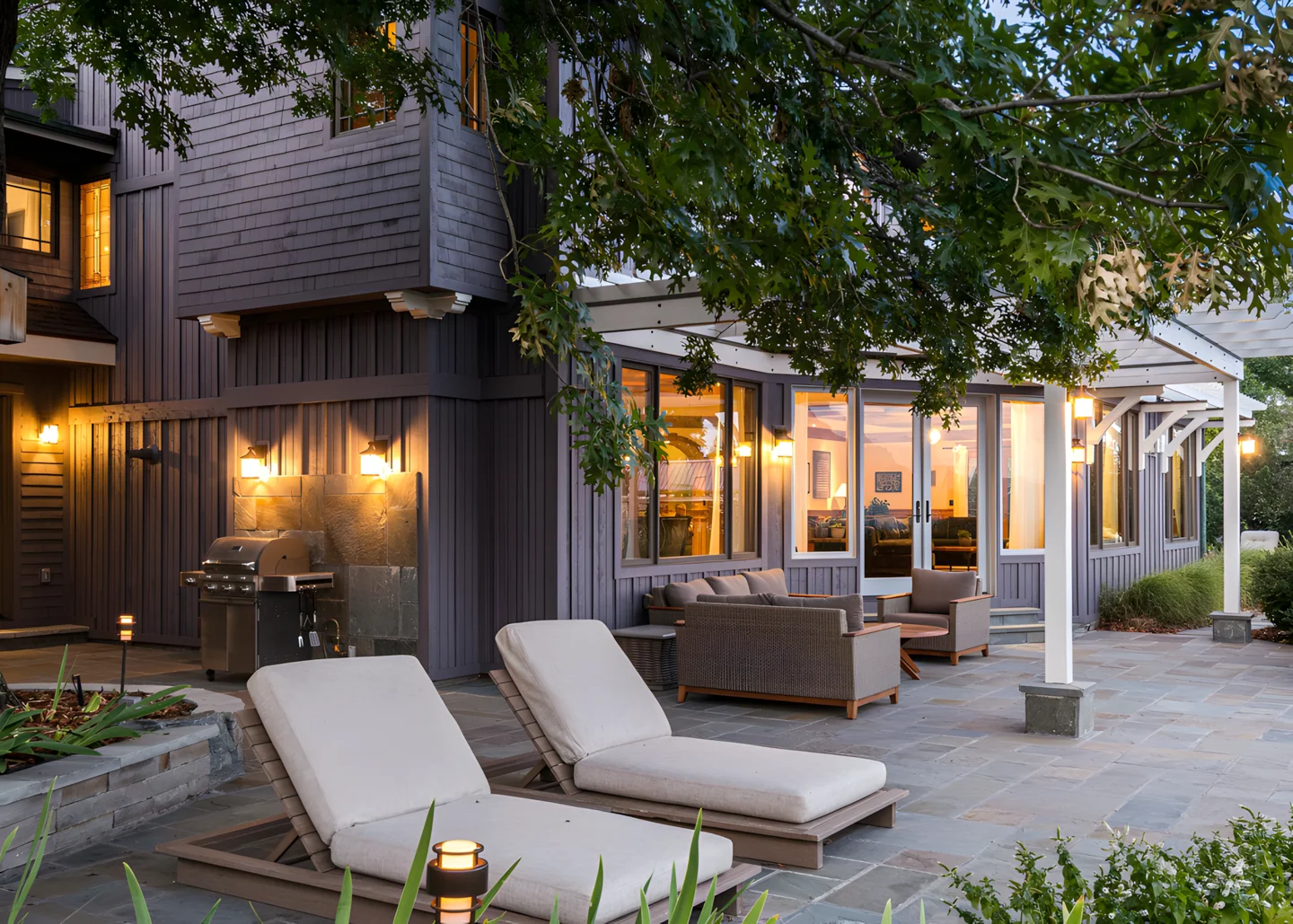
Boulder Outdoor Kitchens and Living Spaces: How to Elevate Your Backyard
Outdoor kitchens in Boulder are one of the most requested projects we take on, and for good reason: Local homeowners get roughly 300 days of sunshine a year, and a well-built outdoor kitchen turns that into genuine living space from May through October and beyond. At Stone & Leaf Landscaping, we’ve been building outdoor spaces across Boulder, Louisville, Lafayette, Erie, and Broomfield since 2008. If you’ve been putting off this project because you’re not sure where to start, worried about the budget running away from you, or wondering how to find one contractor who can handle all of it, this guide is written specifically for you.
We cover what a complete outdoor kitchen actually involves here on the Front Range, why Boulder’s climate demands a different approach than you’d take anywhere else in the country, and what it realistically costs. By the end, you’ll know exactly what questions to ask and what to expect from a contractor worth hiring.
What a Boulder Outdoor Kitchen Actually Involves
A complete outdoor kitchen project typically includes a poured concrete or natural stone patio base and a built-in grill station. Countertop surfaces, cabinetry or storage, an optional sink and refrigeration, a fire pit or outdoor fireplace, a shade structure such as a pergola, and landscape lighting can also be integrated. These aren’t simple weekend DIY projects, because they involve professional drainage and grading, gas line connections, and structural decisions that have to account for Boulder’s clay soils and hard freeze-thaw winters.

The patio base is where projects either succeed or fail, and it’s also the part most homeowners don’t see once the project is done. A properly prepared base under a Boulder outdoor kitchen requires compacted gravel, correct slope for drainage, and depth that accounts for frost penetration, and skipping any of those details means the surface will move, crack, or push water toward your foundation within a couple of years.
Boulder outdoor living spaces that get used year after year are the ones where all of these elements were planned together from the start, not assembled piecemeal by different trades who never talked to each other, which is exactly why we manage every piece of this under one contract, one scope, and one phone number.
Why Boulder's Local Climate Changes Everything About Outdoor Kitchen Design
for about 18 months, and then start telling the story of every shortcut that was taken. The freeze-thaw cycle along Colorado’s Front Range is relentless: temperatures can swing 40 degrees in a single day during shoulder seasons, and water that infiltrates a poorly sealed paver joint or an inadequately drained base will expand on freezing and lift the surface you spent good money on.
Boulder’s soils compound this problem, because much of the Front Range sits on expansive clay that swells when wet and shrinks when dry, and a patio base that isn’t engineered with this movement in mind will shift seasonally. We design proper grading and drainage solutions into every project before we talk about surface materials, because the best-looking flagstone in the world will fail if the ground beneath it isn’t set up correctly. These decisions affect long-term performance on local neighborhood lots.
High-altitude UV exposure is a factor most contractors from outside local municipalities underestimate, because at Boulder’s elevation, UV degradation on lower-grade sealers, composite materials, and certain cabinetry finishes accelerates significantly compared to sea-level climates, which means choosing materials rated for Colorado conditions isn’t optional if you want the space to look good in year five the way it did in year one.
Choosing Materials That Survive Colorado Winters
The materials that perform best here are selected with the freeze-thaw cycle in mind, not just aesthetics. Concrete pavers with a low water absorption rate hold up consistently well, as does locally sourced natural flagstone set on a compacted aggregate base with proper joint drainage. Stainless steel or powder-coated aluminum for cabinetry and grill housing, and granite or quartzite countertops sealed for outdoor use, round out the list of materials that hold up on the Front Range.
On the other side of that ledger, standard ceramic tile not rated for freeze-thaw cycling fails regularly in our climate, as does unsealed natural stone with high porosity that absorbs water and fractures through the first hard winter. Wood-frame cabinetry without proper weatherproofing for high-altitude UV and Colorado’s dry-wet seasonal swings is another consistent problem we see come back to haunt homeowners after a year or two.
Buying the right material the first time costs considerably less than replacing it two winters later, which is a lesson we see homeowners learn the hard way more often than we’d like.
HOA Requirements and Permit Realities in Boulder County
Most neighborhoods across Boulder, Louisville, Lafayette, Erie, and Broomfield require HOA approval before you break ground on any permanent outdoor structure, including built-in kitchens, fire pits, and pergolas. Skipping that step can mean a stop-work order or a required teardown. Gas line connections also require a licensed plumber and a municipal permit in most Boulder County jurisdictions, and structural elements like pergolas may require a building permit depending on scope. At Stone & Leaf, we help with this coordination as a part of every project, and when a formal design package is needed for HOA submission, we can create CAD plans that give the review board exactly what they need.
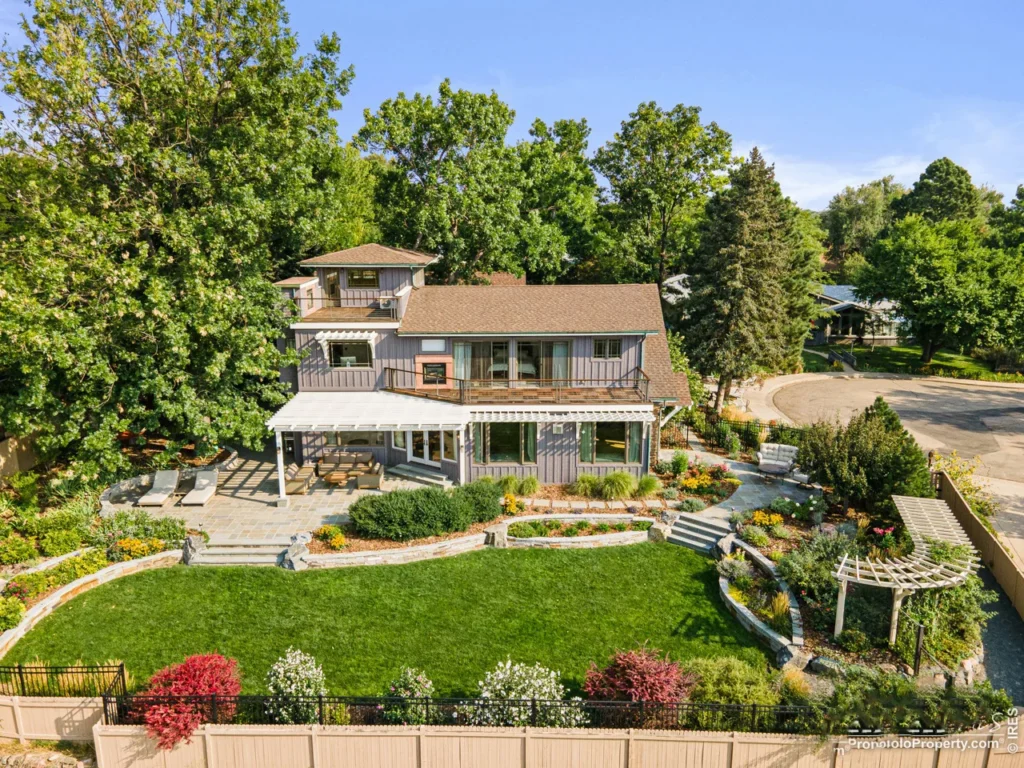
How to Plan Your Boulder Outdoor Kitchen: A Step-by-Step Approach
Great outdoor kitchen design starts with how you’re actually going to use the space and works backward from there. Following the right sequence prevents the most common and most expensive mistakes.
- Define how you’ll use the space: A family that grills three times a week has different needs than one that hosts large gatherings twice a summer, and that shapes all subsequent decisions.
- Assess your yard’s grade, drainage patterns, and utility access: Complete prior to the design process. These factors affect where the kitchen can go and what base preparation will cost.
- Set a realistic budget with a contingency: Custom projects almost always surface a site condition or material upgrade that wasn’t visible on day one.
- Identify HOA and permit requirements: Before finalizing the design, learning that your HOA prohibits natural gas fire features, for example, can be an expensive lesson after you’ve committed to the layout.
- Choose a design-build contractor who handles every trade under one contract: Review all material options rated for Colorado’s climate before settling on finishes.
Designing a Complete Boulder Outdoor Living Space Beyond the Kitchen
The outdoor spaces that get used most aren’t just kitchens with a patio attached. They’re true outdoor living areas, where a cooking zone, a fire feature, a shaded dining area, and evening lighting each serve a distinct purpose and were planned together from the start. A pergola extends comfortable use into the hottest July afternoons and gives the space a defined edge. Landscape design and lighting is what separates a daytime space from an evening destination. Our project layouts cover everything from low-voltage path lighting to integrated overhead fixtures. Spaces designed as a cohesive whole hold up better and add more measurable value to the home than elements layered in over several summers.
Fire Pits and Fire Features: What Works in Boulder Backyards
A fire feature means you’re still outside in October while the rest of the neighborhood has moved in. Natural gas fire pits are the most popular choice we install because they’re clean, HOA-friendly in most communities, and don’t carry the wildfire risk of wood-burning units during drier months near the foothills. Wood-burning options are worth considering where they’re allowed, but Boulder County smoke ordinances and HOA restrictions limit them across much of the Front Range. Wind is also a real factor on exposed lots, and placement matters. We cover the full comparison in a recent article titled “Fire Pits vs. Outdoor Fireplaces: Which Boulder Backyard Fire Feature Is Right for You?”.
Water-Wise Landscaping Around Your Outdoor Kitchen
Even on hardscape-heavy projects, the planting and irrigation design around the perimeter matters. Colorado water restrictions are real, and a kitchen surrounded by a water-intensive lawn creates exactly the kind of high-maintenance situation we help clients avoid. We integrate drought-tolerant landscaping strategies, properly zoned drip irrigation, and low-maintenance ground cover into every outdoor living project from the start. This results in less watering, less mowing, and more time actually using the space.
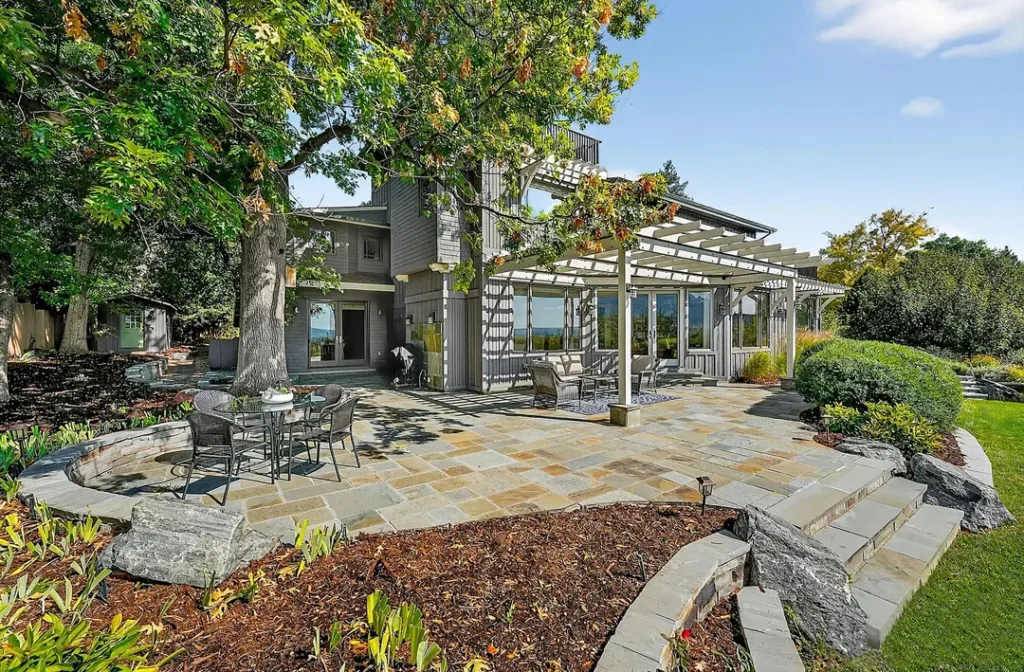
Why Boulder Homeowners Choose a Design-Build Contractor Over Separate Trades
The real cost of managing an outdoor kitchen project through separate contractors isn’t just about coordination time. For example, the stone mason may arrive to find the drainage wasn’t set up for where the kitchen is going, or the electrician shows up after the patio is done with no conduit run for the wiring. These aren’t hypothetical problems; they happen when no single contractor owns the full scope of the project.
As the sole hardscape designer and design-build contractor, Stone & Leaf Landscaping carries the whole project under one contract, with one estimate, and one phone number. Clients who’ve managed outdoor kitchen projects through separate trades consistently describe the coordination as the hardest part. Learn more about how we structure the owner-led approach, and meet the local landscape design-build experts at Stone & Leaf.
Stone & Leaf Landscaping holds a 4.7-star rating across 9O+ Thumbtack reviews and have earned Top Pro designation in 2017, 2018, 2019, and 2020. These aren’t corporate ratings: they’re homeowners in Boulder, Louisville, and Lafayette describing what it was like to work with a crew where the owner was on-site every day.
What to Expect When You Work with Stone & Leaf on Your Boulder Patio Kitchen
Here’s how a Boulder patio outdoor kitchen project unfolds with us:
- First, a free on-site consultation: We walk your yard, take measurements, and talk through how your family actually uses the space.
- Second, design and estimate: You’ll get a concept sketch, material options, and a written time-and-materials estimate with the 15% do-not-exceed cap spelled out before you commit to anything.
- Third, installation: All trades are coordinated under one contract with the owner on-site every day.
- Fourth, a final walkthrough: Our Boulder landscapers handle all details personally and professionally to ensure every project is completed to satisfaction before completion.
Our typical lead time before a project starts is 3 to 4 weeks, with the summer months booking up faster. If you’re planning a project for the peak season, getting on the schedule early makes a real difference. You can view recently completed projects on our Portfolio Page before reaching out. When ready to move forward, call 720-338-3002 or request a free on-site consultation.
Frequently Asked Questions About Boulder Outdoor Kitchens
How much does an outdoor kitchen cost in Boulder, Colorado?
Entry-level projects with a built-in grill station and paver patio base start around $10,000 to $18,000. Mid-range outdoor kitchens with countertops, storage, and a fire feature typically run $20,000 to $40,000. A full outdoor living room with a kitchen, pergola, lighting, and surrounding landscaping generally falls between $45,000 and $70,000 or more depending on site complexity and material selections.
Do I need a permit for an outdoor kitchen in Boulder?
In most Boulder County jurisdictions, yes. Gas line connections for outdoor grills require a licensed plumber and a municipal permit, and permanent structures including pergolas and built-in fire features may also require building permits. Many HOA communities across Louisville, Lafayette, Erie, and Broomfield require written approval before construction starts on any permanent outdoor structure, and we handle permit coordination and HOA documentation as part of the project scope.
What is the best patio material for Colorado's freeze-thaw climate?
Concrete pavers with a low water absorption rate and a proper compacted aggregate base perform consistently well on the Front Range, and natural flagstone set correctly on a drained base is another strong option. The key isn't just the surface material: it's the base preparation and joint drainage beneath it, which is where most outdoor kitchen patio failures actually begin.
How long does it take to build an outdoor kitchen in Boulder?
Once materials are on-site, most outdoor kitchen installations run two to four weeks depending on scope and weather. Lead time before a project starts is typically three to four weeks, and longer during peak summer months, so getting on the schedule before you're ready to break ground is always a good idea if you've a target season in mind.
What is a design-build contractor and why does it matter for outdoor kitchens?
A design-build contractor handles design, permitting, and all installation trades under a single contract, which for outdoor kitchens means one company manages grading, masonry, gas rough-in, electrical, and planting without the handoff gaps and scheduling conflicts that happen when homeowners coordinate those trades separately. The single point of accountability matters most when something unexpected comes up mid-project.
Can I use my outdoor kitchen year-round in Boulder?
Yes, with the right design choices. A covered shade structure and a natural gas fire feature extend comfortable use well into fall and even on mild winter days, and Boulder's shoulder seasons, particularly September and October, are some of the best outdoor living months of the year, with a space built with that in mind getting far more use than one designed only for summer.
Ready to Build Your Boulder Outdoor Kitchen? Start with a Free On-Site Visit
At Stone & Leaf Landscaping, we’ve been doing this work across Boulder and the Front Range for over 17 years. The projects that turn out best start the same way: a conversation in the actual yard, looking at the actual grade, talking about how the family wants to use the space, etc. We show up with a tape measure and ideas, not a sales pitch.
You’ll receive one contract, one phone number, and a written estimate with a 15% do-not-exceed cap. Our typical lead time is three to four weeks, so the sooner we talk, the sooner we can get you on the schedule. Call 720-338-3002 or visitour Contact Page. Take a look at our Boulder Hardscaping Services page, or our recent guide on Outdoor Living Design Ideas for Boulder Homes for more information on how we approach outdoor living design and build along Colorado’s Front Range.
Let’s Talk About Your Yard Today!
Leave a Reply